
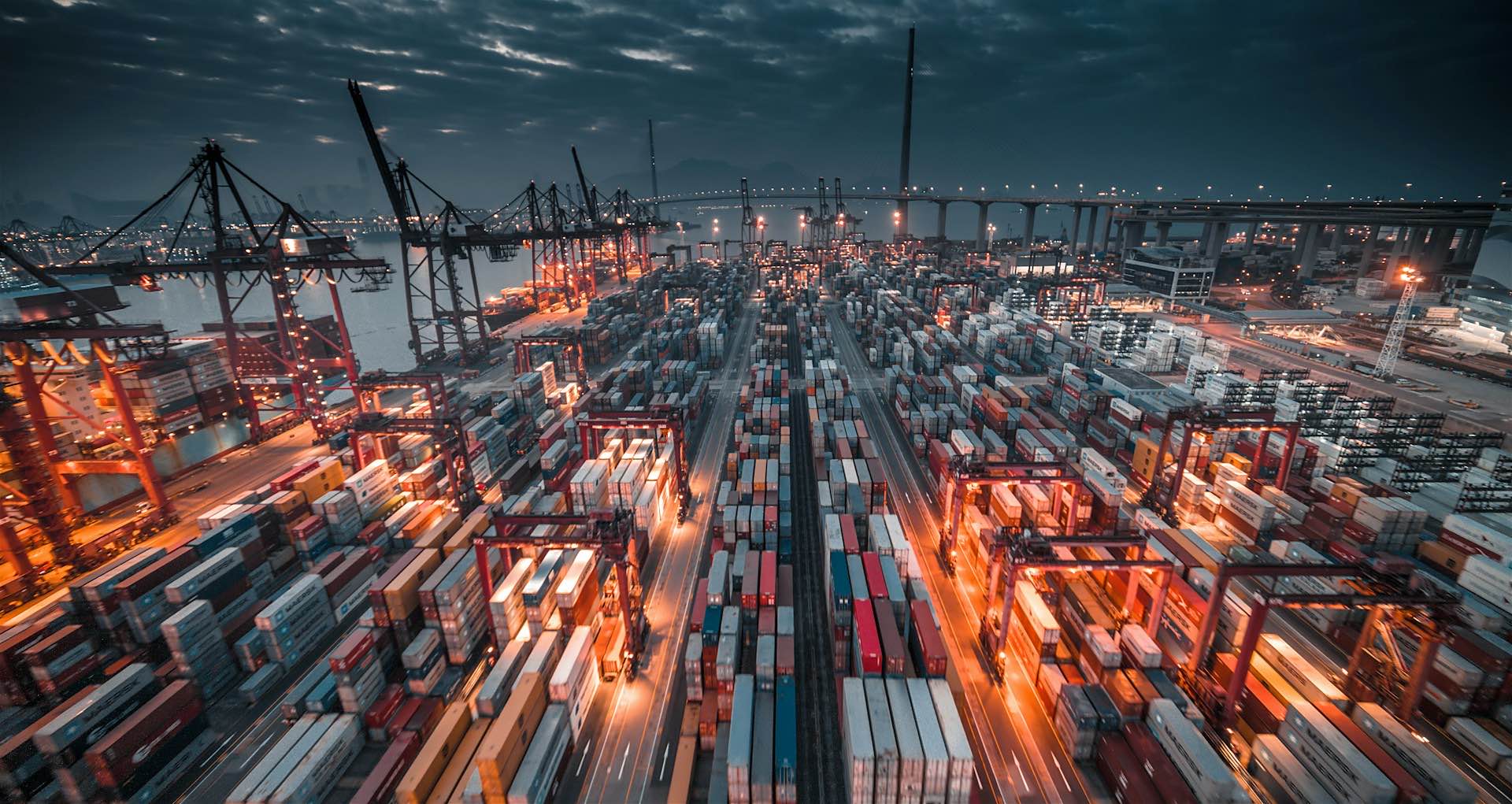
AI for Logistics Safety.
Built for a workforce that's never at a desk.
Logistics work spans warehouses, distribution centers, loading docks, and the road. Traditional reporting assumes a worker at a desk, and most never are.
Why Logistics Safety Needs AI
Safety challenges distributed across geography and shift patterns demand intelligence that travels with your workforce.
Common logistics hazards
Logistics and transportation operations face a distributed set of hazards that desk-based safety systems consistently miss.
Vehicle & Driving Incidents
Collisions, rollovers, and road incidents are a leading cause of logistics fatalities. Driver behavior, road conditions, and vehicle maintenance all contribute to risk.
Loading Dock Injuries
Dock operations combine vehicle movement, manual handling, and time pressure. Trailer creep, dock falls, and struck-by incidents occur at loading docks daily across the industry.
Ergonomic Strain
Lifting, repetitive motion, and awkward postures during loading, unloading, and order picking. Musculoskeletal injuries account for a significant portion of logistics lost-time incidents.
Driver Fatigue
Long hours, irregular schedules, and monotonous driving create fatigue risks that are difficult to monitor remotely. Fatigue-related incidents often have severe consequences.
Forklift Operations
Powered industrial trucks operating in shared spaces with pedestrians. Warehouse congestion, blind intersections, and shift change traffic create recurring near-miss patterns.
Slip, Trip & Fall Hazards
Wet floors, uneven surfaces, cluttered aisles, and weather-exposed loading docks. These common hazards cause injuries across every logistics environment.
How Intero helps
Intero puts reporting and investigation where the work is, from the loading dock to the last mile.
Mobile Conversational Reporting
Drivers and dock workers type safety reports in plain language from wherever they are, on the road or at a customer site. Intero classifies each one and opens a Case File. No desk required.
Fleet Safety Analytics
Intero analyzes logged incident and near-miss data across your fleet to surface recurring high-risk routes, vehicles, and time periods. Each new report is connected to earlier similar findings across the sites in your organization.
Loading Dock Intelligence
Intero detects patterns in dock incidents. It surfaces which bays see the most near-misses and which trailer types drive the most ergonomic strain, so prevention is targeted instead of guessed.
Route Hazard Investigation
When a route or road hazard is reported, Intero investigates it to a cited root cause and surfaces earlier similar reports from across your fleet. Recurring hazards on a route get connected instead of investigated from scratch each time.
A near-miss reported from the road.
Illustrative scenario.
A driver encounters a near-miss with an unmarked construction zone. Safely stopped, the driver types a report from a phone. Intero asks a few follow-up questions, classifies the hazard, and files a cited case record, then surfaces earlier near-misses on the same route.
Learn More
Explore how Intero's AI-native investigator works across your logistics operations.
See how AI works across your logistics operations
Walk through a live scenario using your fleet's routes, your dock's hazards, and your reporting workflows.